Post-Remediation Sealing
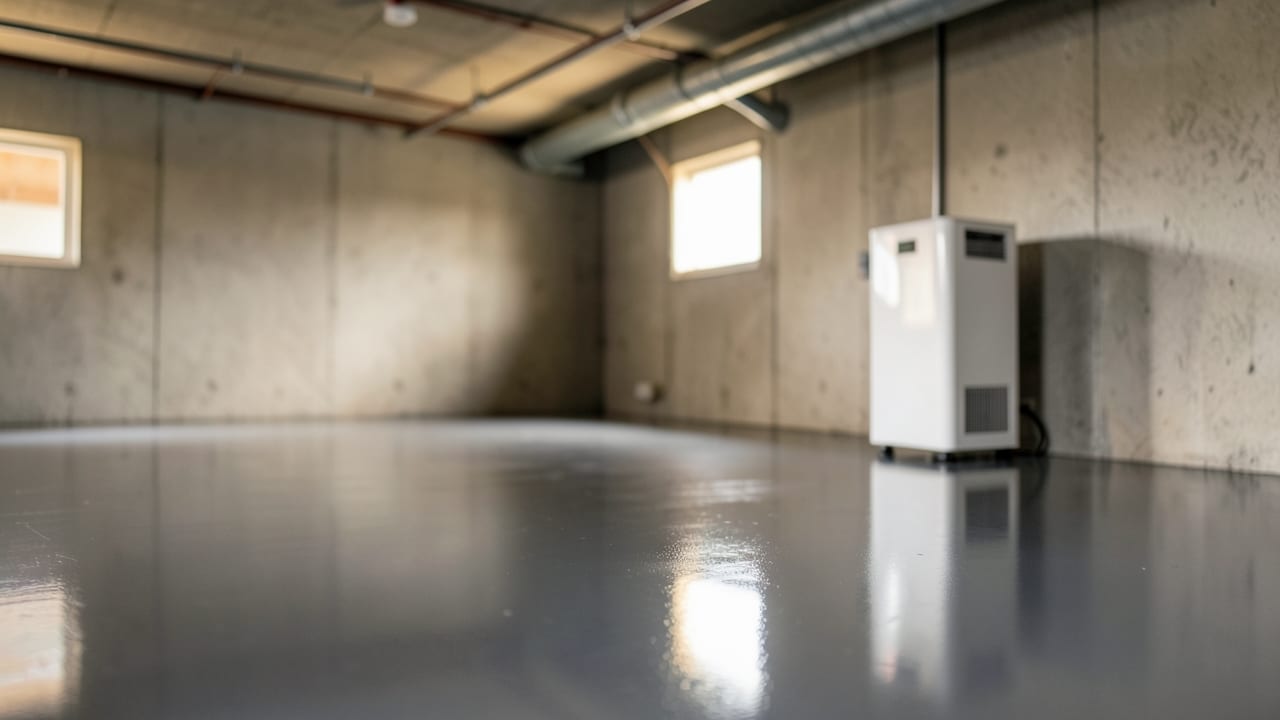
Applying protective sealants to surfaces after mold remediation to prevent future growth.
In Sanbornton, NH, post-remediation sealing helps protect your home after mold removal by applying specialized coatings to treated surfaces. This step creates a moisture-resistant barrier to reduce the risk of future growth, ensuring the work lasts longer and keeping your home safer.
Proper sealing is especially important in areas like basements, bathrooms, and windowless rooms where dampness lingers.
We also handle Kitchen Mold Cleanup and Carpet Mold Treatment for Sanbornton properties.
When is post-remediation sealing needed?
Post-remediation sealing is typically recommended after mold removal when porous materials like drywall, insulation, or carpet padding have been replaced or treated. It’s also useful in areas where moisture persists, such as basements, bathrooms, or spaces with poor airflow.
Sealing helps prevent moisture from reabsorbing into treated surfaces, reducing the chance of regrowth.
If mold keeps returning in the same spot after cleaning, or if you notice a musty smell with no visible signs, sealing may be part of a broader solution. Hidden mold—behind walls, under flooring, or inside ductwork—often requires sealing to fully address the issue.
Signs You May Need Post-Remediation Sealing
- Mold covers more than a small, isolated patch (typically over 25 square feet).
- Growth returns in the same spot after cleaning, suggesting a lingering moisture issue.
- A musty smell persists even after visible mold is removed, indicating hidden growth.
- The affected area is in a persistently damp space, like a basement or windowless room.
What affects the cost and process?
The cost of post-remediation sealing varies based on the size of the treated area, the type of sealant used, and whether additional work—like fixing leaks or improving airflow—is required. Basic vapor barriers are less expensive than full encapsulation, which may be needed in high-moisture areas.
Timing also matters. Sealing should happen immediately after remediation while surfaces are still dry, and clearance testing confirms the area is safe before containment is removed. Skipping these steps can lead to incomplete protection and potential regrowth.
What to watch for during the process
During post-remediation sealing, proper containment—like plastic sheeting and negative-air machines—keeps spores from spreading to unaffected areas. HEPA-filtered equipment is used to capture spores, and industrial drying ensures moisture levels return to normal before sealing begins.
A breach in containment, such as torn plastic or an open door, can turn a contained job into a larger problem by spreading spores. Always confirm that clearance testing is performed by an independent party to verify the work is complete.
Using non-HEPA equipment recirculates spores instead of capturing them. Skipping clearance testing leaves no confirmation the area is safe. Fixing the moisture source is just as critical as sealing—otherwise, regrowth is likely.
How post-remediation sealing works
- 1Containment Setup
Plastic sheeting and negative-air machines create a sealed work zone to prevent spores from spreading during removal. This step is critical for keeping unaffected areas clean.
- 2Surface Preparation
Porous materials like drywall or insulation are removed if mold has penetrated them, while non-porous surfaces are cleaned and treated. Industrial drying follows to ensure moisture levels are safe.
- 3Sealant Application
Specialized coatings are applied to treated surfaces to block moisture absorption. The type of sealant depends on the material and the risk of future dampness.
- 4HEPA Cleanup
All surfaces are vacuumed with HEPA-filtered equipment, and air scrubbers run continuously to capture any remaining spores before containment is removed.
- 5Clearance Testing
An independent test confirms spore counts are back to normal before the area is considered finished. This step ensures the sealing was effective and no hidden mold remains.
Frequently asked questions
How do I know if my home needs post-remediation sealing after mold removal?
If mold covered a large area, returned after cleaning, or you suspect hidden growth, sealing may help. It’s also recommended in damp spaces like basements or windowless rooms where moisture lingers.
Can I seal surfaces myself, or should I hire a professional?
DIY sealing may work for small, low-risk areas, but professional sealing ensures proper containment, HEPA filtration, and clearance testing—steps that are critical for safety and effectiveness.
Will sealing prevent mold from coming back if the moisture source isn’t fixed?
Sealing helps, but it’s not a permanent solution without addressing leaks, condensation, or grading issues. Fixing the moisture source is the only way to prevent long-term regrowth.
How long does the sealing process take?
The timeline depends on the size of the area and drying requirements, but sealing itself is usually completed within a day or two after remediation. Full drying and testing may take longer.
See Canaan, NH for more, or check out our full Sanbornton-area coverage step by step for our complete lineup.
Ready to get started?
Talk to a local mold remediation pro in Sanbornton — get a written quote.
Other Mold Remediation Services in Sanbornton
Kitchen Mold Cleanup in Sanbornton, NH
Professional assessment and removal of mold in kitchen areas to restore a safe, clean environment.
Learn More
Carpet Mold Treatment in Sanbornton, NH
Professional assessment and removal of mold growth from carpets to restore a safe indoor environment.
Learn More
Concrete Mold Remediation in Sanbornton, NH
Professional removal and treatment of mold from concrete surfaces in homes.
Learn More
Plaster Mold Remediation in Sanbornton, NH
Professional removal and treatment of mold from plaster surfaces in homes.
Learn More
Ceiling Mold Removal in Sanbornton, NH
Professional removal of mold growth from ceilings, including containment and cleanup.
Learn More
Sewer Backup Mold Cleanup in Sanbornton, NH
Professional cleanup of mold caused by sewer backups in homes.
Learn MoreCommon Questions About Mold Remediation in Sanbornton
Everything you need to know about mold remediation services in Sanbornton
How much does Post-Remediation Sealing typically cost in Sanbornton, NH?
Why does Sanbornton, NH's humidity make mold a bigger risk than in drier regions?
Can mold growing inside HVAC ductwork spread to the rest of a home?
Does mold mean the same thing as mildew?
Does homeowners insurance typically cover mold remediation?
Is black mold actually more dangerous than other mold types?
Need Mold Remediation in Sanbornton?
Connect with local providers in Sanbornton for a detailed quote.
⏰ We answer your call • Serving all of Sanbornton and surrounding areas