Hospital Mold Removal
Professional assessment and removal of mold in hospitals to ensure a safe, healthy environment.
In Sanbornton, NH, hospital-grade mold remediation is designed for homeowners facing extensive mold growth that standard cleaning cannot address. This specialized process involves containment, removal, and thorough drying to prevent regrowth, ensuring safer indoor air quality for your household.
It is recommended when mold covers more than a small area or returns after cleaning, often signaling hidden moisture issues.
We also handle Pre-Sale Mold Clearance and Post-Remediation Sealing for Sanbornton properties.
When is hospital mold removal needed?
Mold growth in your home can quickly escalate from a minor issue to a serious health risk if left unchecked. Hospital mold removal is typically required when mold covers more than a small, isolated patch—often beyond 25 square feet—or when it persists after cleaning.
Recurring mold in the same spot usually indicates an unresolved moisture problem, such as leaks, condensation, or poor ventilation.
Other warning signs include a musty odor with no visible mold or a smell that worsens when your HVAC system runs, suggesting hidden growth in walls, under flooring, or within ductwork. If you notice these signs, professional intervention is essential to prevent further spread and ensure proper remediation.
Signs You Need Hospital Mold Removal
- Mold covers more than 25 square feet of a surface (a common threshold for professional intervention).
- Mold keeps returning after cleaning, even in the same spot.
- A musty smell is present with no visible mold, or the odor worsens when the HVAC system is on.
- You see mold in multiple rooms or hidden areas like behind walls, under flooring, or inside ductwork.
What affects pricing and timing?
The cost and duration of hospital mold removal depend on several factors, including the size of the affected area, the extent of containment required, and whether hidden moisture sources need to be addressed.
Unlike residential cleaning, this process involves strict protocols to prevent cross-contamination, which can increase labor and material costs.
Additional factors include the need for structural drying, clearance testing, and whether the work disrupts daily life. While pricing varies, complex jobs often run between $15 and $35 per square foot, with containment and documentation adding to the total. Always confirm whether the quote includes inspection, testing, and clearance verification.
Common mistakes to avoid
Attempting to clean large or recurring mold growth with household products can spread spores and worsen the problem. Skipping containment or using non-HEPA equipment during removal recirculates spores instead of capturing them, leading to further contamination.
Without addressing the moisture source—such as leaks or poor ventilation—mold will likely return within months.
Another mistake is assuming the job is complete without clearance testing. Independent air or surface sampling confirms that spore levels are back to normal before containment is removed. Always verify that the crew follows these critical steps to ensure a safer outcome.
Using standard shop vacuums or non-HEPA air scrubbers during removal can spread spores instead of containing them. Always insist on HEPA-filtered equipment and proper containment to minimize risk.
How hospital mold removal works
This process follows strict protocols to safely contain, remove, and treat mold in your home.
- 1Containment Setup
Plastic sheeting and negative-air machines seal off the affected area to prevent spores from spreading during removal. This step ensures that disturbed mold stays isolated within the work zone.
- 2Material Removal and Treatment
Porous materials like drywall and insulation, which absorb mold, are cut out and bagged inside containment. Non-porous surfaces like tile and framing are scrubbed and treated to eliminate growth.
- 3HEPA Filtration and Drying
HEPA air scrubbers run continuously to capture airborne spores, and surfaces are vacuumed with HEPA-filtered equipment. Industrial dehumidifiers and air movers dry structural materials to prevent regrowth.
- 4Clearance Testing
An independent lab tests air or surfaces post-remediation to confirm spore levels are within normal ranges before containment is removed. This step verifies the effectiveness of the cleanup.
Frequently asked questions
What should I do if I see mold in my home but aren’t sure if it’s severe enough for professional removal?
If mold covers more than a small patch, keeps returning after cleaning, or you notice a musty smell with no visible growth, it’s time to call a professional. These signs often indicate hidden moisture issues or extensive contamination that require specialized treatment.
Will the remediation process disrupt my daily routine?
Containment and equipment setup may limit access to the affected area during the job, but most crews work efficiently to minimize disruption. Discuss scheduling with the provider to align work hours with your needs.
How do I know if the mold has been fully removed after the work is done?
Independent clearance testing—conducted by a third-party lab—confirms that spore levels are back to normal. Always ask for this step to be included in your service to ensure thoroughness.
Can mold return after professional removal if I don’t fix the moisture problem?
Yes, mold will likely regrow if the underlying moisture source—such as leaks, condensation, or poor ventilation—isn’t addressed. Remediation removes existing growth, but prevention depends on fixing these issues long-term.
See Wolfeboro, NH for more, or browse everything Sanbornton homeowners can book with us for our complete lineup.
Ready to get started?
Talk to a local mold remediation pro in Sanbornton — get a written quote.
Other Mold Remediation Services in Sanbornton
Pre-Sale Mold Clearance in Sanbornton, NH
Pre-sale mold clearance involves inspection and testing to confirm a property is mold-free before purchase.
Learn More
Post-Remediation Sealing in Sanbornton, NH
Applying protective sealants to surfaces after mold remediation to prevent future growth.
Learn More
Mold Inspection in Sanbornton, NH
Mold inspection in Sanbornton, NH — a visual and moisture-meter assessment that finds the source of growth, not just the visible spot on the wall.
Learn More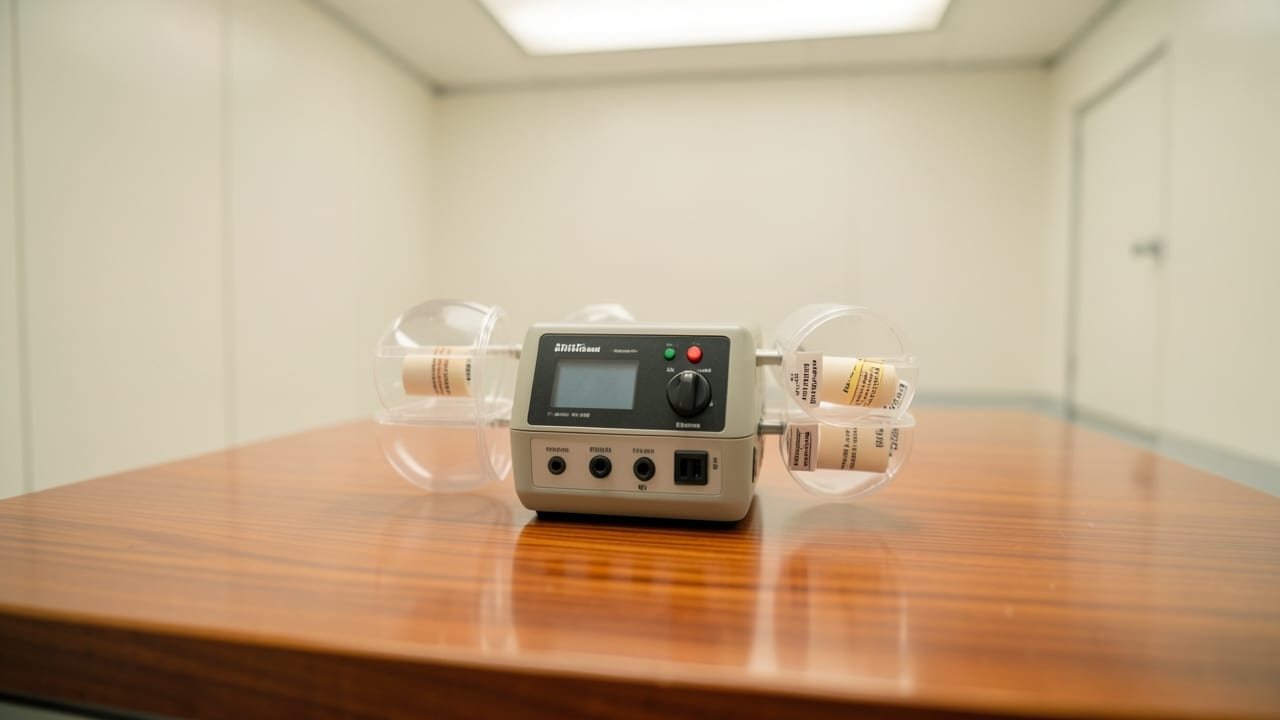
Mold Testing & Air Quality Testing in Sanbornton, NH
Mold and indoor air quality testing in Sanbornton, NH — lab-analyzed air and surface samples confirm what's actually growing and whether it's airborne.
Learn More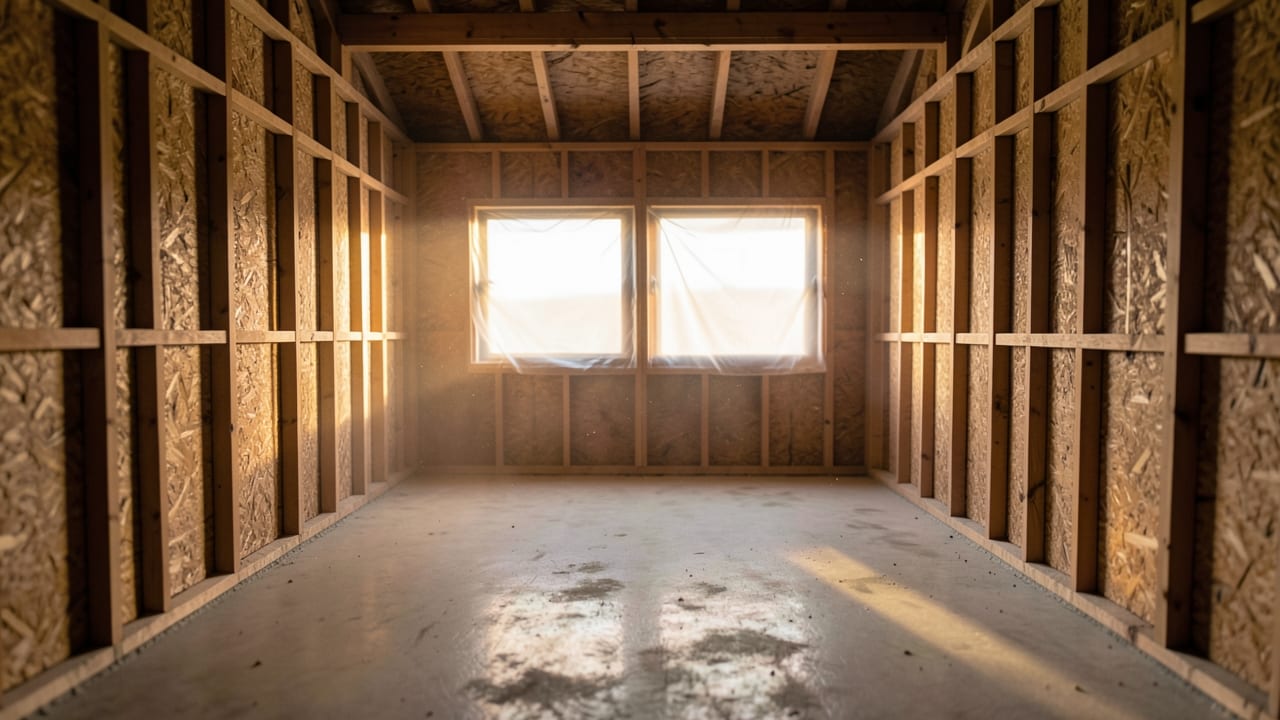
Mold Removal & Remediation in Sanbornton, NH
Mold removal and remediation in Sanbornton, NH — containment, HEPA filtration, and removal of affected material following industry (IICRC S520) protocol.
Learn More
Water Damage Restoration in Sanbornton, NH
Water damage restoration in Sanbornton, NH — extraction and structural drying to stop mold growth before it starts, following a leak, storm, or flood.
Learn MoreCommon Questions About Mold Remediation in Sanbornton
Everything you need to know about mold remediation services in Sanbornton
How much does Hospital Mold Removal typically cost in Sanbornton, NH?
Why does Sanbornton, NH's humidity make mold a bigger risk than in drier regions?
Can small mold problems be handled without hiring anyone?
What's the actual difference between mold removal and mold remediation?
Is a final clearance test part of a typical mold remediation job?
How does mold remediation actually prevent the problem from coming back?
Need Mold Remediation in Sanbornton?
Connect with local providers in Sanbornton for a detailed quote.
⏰ We answer your call • Serving all of Sanbornton and surrounding areas