
Storm Damage Mold Cleanup
Professional cleanup and remediation of mold caused by storm-related water damage in homes.
Storm damage in Sanbornton, NH, often leads to hidden mold growth behind walls or under floors, where excess moisture creates ideal conditions for spores to spread. This service focuses on safely removing mold colonies while addressing the root cause of water intrusion to help prevent recurrence.
Proper containment, HEPA filtration, and moisture control are critical to stopping mold from returning or spreading to unaffected areas.
We also handle Mold Inspection and Mold Testing & Air Quality Testing for Sanbornton properties.
When storm damage leads to mold
Mold growth after a storm is often hidden behind drywall, under flooring, or inside ductwork, making it difficult to spot without professional inspection. Visible signs include patches larger than a few square feet, recurring mold in the same spot, or a musty smell that worsens when the HVAC runs.
These are clear indicators that the problem is beyond surface-level cleaning and requires professional remediation to avoid further damage or health risks.
Ignoring these signs can lead to structural damage, poor indoor air quality, and higher long-term costs. A professional assessment determines whether the mold is contained or spreading, and whether the moisture source—like a leak, poor ventilation, or grading issues—needs to be fixed to prevent regrowth.
Addressing both the mold and the moisture source is essential for a lasting solution.
Signs You May Need Mold Remediation After Storm Damage
- Mold covering more than 25 contiguous square feet (a common threshold for professional work)
- Recurring mold growth in the same spot after cleaning, indicating an unfixed moisture source
- A musty smell with no visible mold, suggesting hidden growth in walls, under flooring, or in ductwork
- Visible mold on porous materials like drywall, insulation, or carpet padding that cannot be fully cleaned
- Damp or wet areas that remain after addressing obvious water intrusion, signaling lingering moisture
What affects pricing and timing
The cost of storm damage mold cleanup depends on the size of the affected area, the type of mold, and the extent of moisture intrusion. Pricing also varies based on whether containment, structural drying, and clearance testing are included.
A typical job in Sanbornton ranges widely, but understanding these factors helps homeowners compare quotes accurately and avoid unexpected costs.
Timing is influenced by the severity of the damage, accessibility of affected areas, and whether additional repairs—like fixing leaks or improving ventilation—are needed. Delays can occur if hidden mold is discovered during demolition, requiring adjustments to the scope of work.
What to watch for in a quote
Not all quotes for mold remediation cover the same services, which can lead to confusion or hidden costs. A thorough estimate should include inspection, containment, removal, drying, and clearance testing. Asking the right questions upfront helps ensure the job is completed safely and effectively, without surprises later.
Red flags in a quote include vague area estimates, pressure to sign without reviewing the scope, or a lack of post-remediation testing.
Always verify whether the contractor is licensed for mold work in New Hampshire and confirm how hidden mold or moisture issues will be handled if discovered during the job.
| Question to Ask | Why It Matters |
|---|---|
| Does the estimate include inspection, containment, removal, drying, and clearance testing? | Ensures no critical steps are excluded or priced separately. |
| Is the square footage or area being treated clearly specified? | Allows for accurate comparison between bids. |
| Will a third-party lab test confirm clearance after remediation? | Provides independent verification that the job was completed. |
| How will hidden mold or moisture issues be handled if discovered? | Prevents unexpected change orders or disputes later. |
| Is the contractor licensed for mold remediation in New Hampshire? | Ensures compliance with state requirements and proper training. |
How storm damage mold cleanup works
This process ensures mold is removed safely and the moisture source is addressed to prevent regrowth.
- 1Containment Setup
Plastic sheeting and negative-air machines seal off the work area to prevent spores from spreading to unaffected parts of the home. This step is critical for stopping contamination from migrating through hallways or HVAC systems.
- 2Mold Removal
Porous materials like drywall or insulation that have absorbed mold are cut out and bagged inside containment, while non-porous surfaces like framing are scrubbed and treated. This step targets the source of the mold rather than just surface cleaning.
- 3HEPA Filtration and Cleanup
HEPA-filtered air scrubbers and vacuums run continuously to capture spores stirred up during removal. Standard shop vacuums or non-HEPA filters recirculate spores, making them ineffective for mold cleanup.
- 4Structural Drying
Industrial dehumidifiers and air movers dry framing and subfloors to normal moisture levels. Mold regrows on damp materials even after visible traces are removed, so drying is essential for long-term results.
- 5Clearance Testing
An independent lab tests air or surfaces after remediation to confirm spore counts are back to normal levels. This step ensures the job is complete before containment is removed and the area is restored.
Frequently asked questions
How do I know if the mold in my home is from storm damage?
Storm damage often creates hidden moisture sources like leaks, poor ventilation, or damp basements, which lead to mold growth. Look for signs like recurring mold in the same spot, musty smells, or visible damage after heavy rain or flooding. If the mold covers more than a small area or keeps returning, it’s likely linked to storm-related water intrusion.
Can I clean up storm damage mold myself?
Small, isolated patches of mold (under 25 square feet) can sometimes be cleaned with proper safety gear and cleaning solutions. However, storm damage often involves hidden growth or moisture issues that require professional tools like HEPA filtration and containment. DIY efforts may spread spores or miss underlying problems, leading to regrowth.
Why does the quote include clearance testing? Isn’t that optional?
Clearance testing confirms that mold spore levels are back to normal after remediation, ensuring the job was fully effective. Without it, there’s no independent way to verify whether the mold has been completely removed. Many contractors include it as part of a thorough service to protect homeowners from hidden regrowth.
What should I do if mold keeps coming back after cleanup?
Recurring mold usually means the moisture source wasn’t fully addressed. Check for leaks, poor ventilation, or grading issues around the foundation. A professional can inspect the area to identify and fix the root cause, which is essential for preventing future growth.
See Warner, NH for more, or find out about our complete Sanbornton service list step by step for our complete lineup.
Ready to get started?
Talk to a local mold remediation pro in Sanbornton — get a written quote.
Other Mold Remediation Services in Sanbornton

Mold Inspection in Sanbornton, NH
Mold inspection in Sanbornton, NH — a visual and moisture-meter assessment that finds the source of growth, not just the visible spot on the wall.
Learn More
Mold Testing & Air Quality Testing in Sanbornton, NH
Mold and indoor air quality testing in Sanbornton, NH — lab-analyzed air and surface samples confirm what's actually growing and whether it's airborne.
Learn More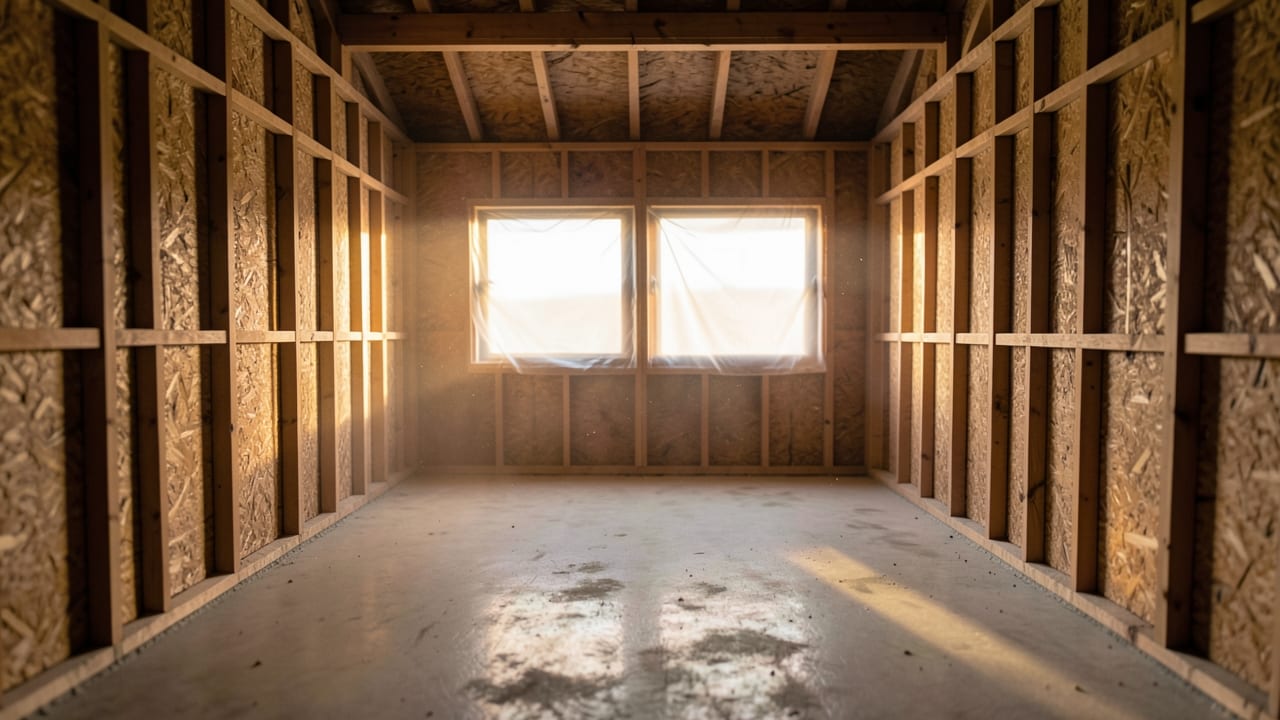
Mold Removal & Remediation in Sanbornton, NH
Mold removal and remediation in Sanbornton, NH — containment, HEPA filtration, and removal of affected material following industry (IICRC S520) protocol.
Learn More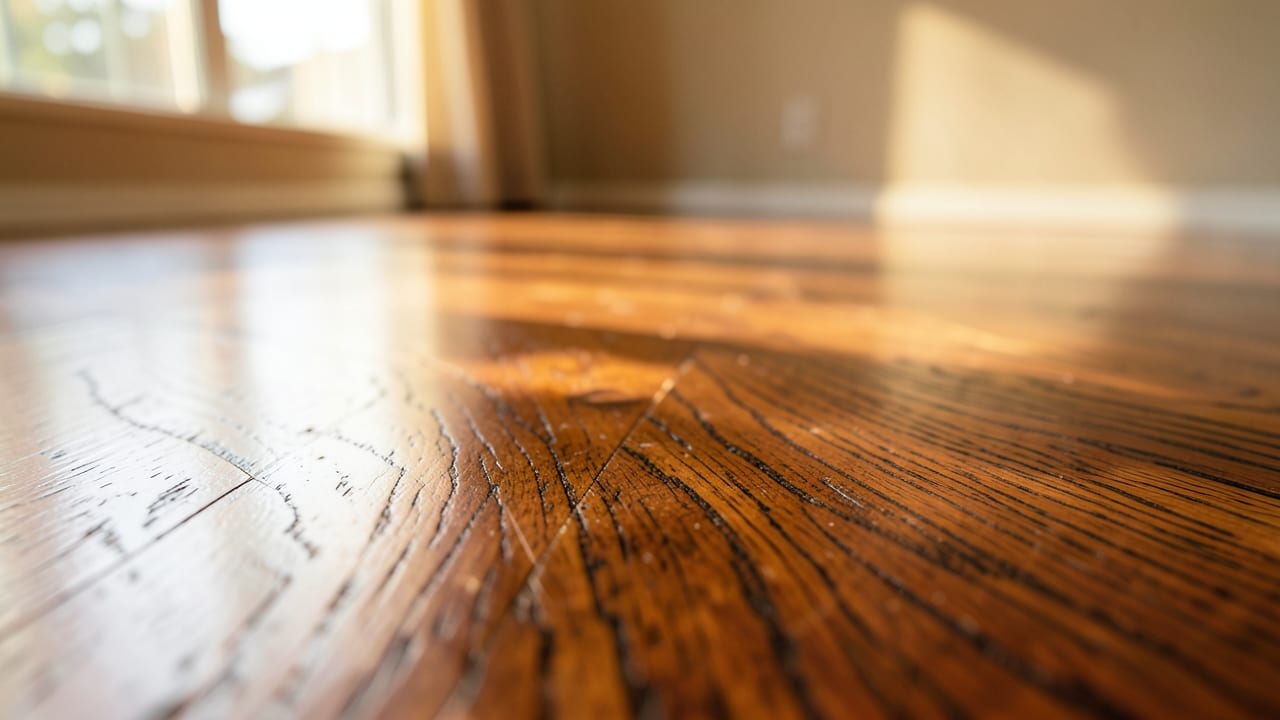
Water Damage Restoration in Sanbornton, NH
Water damage restoration in Sanbornton, NH — extraction and structural drying to stop mold growth before it starts, following a leak, storm, or flood.
Learn More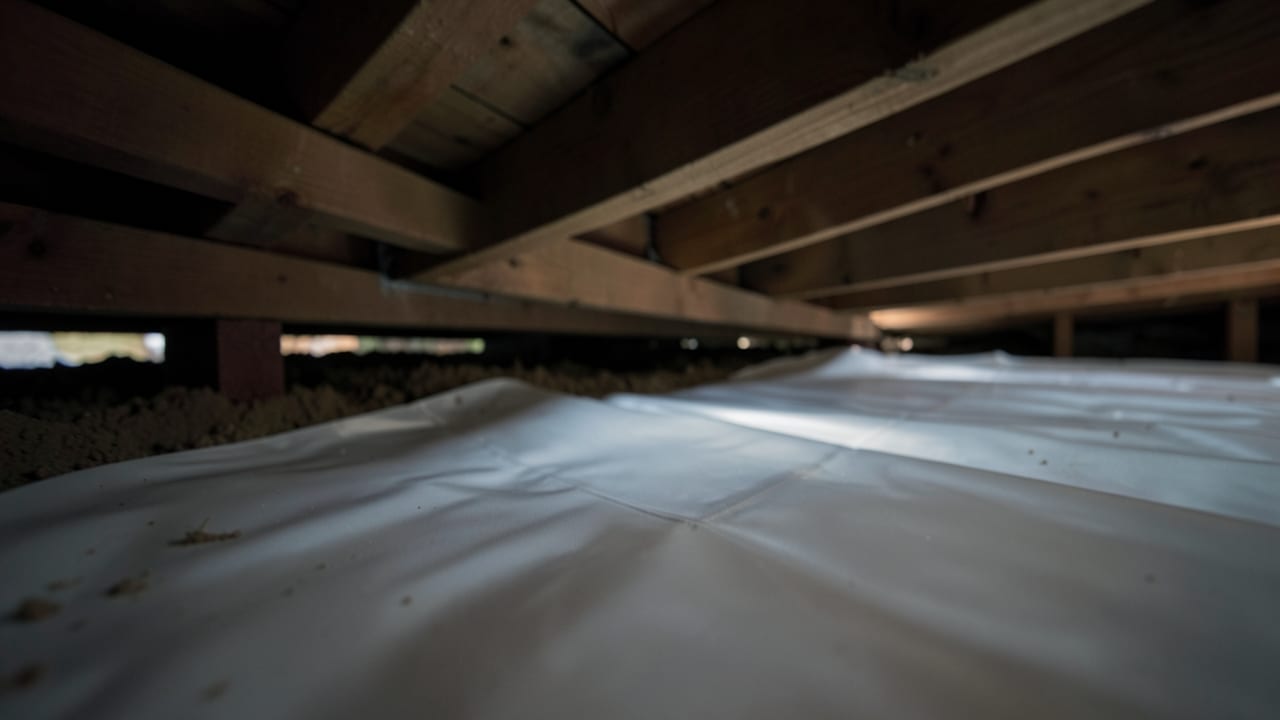
Crawl Space & Basement Mold Remediation in Sanbornton, NH
Crawl space and basement mold remediation in Sanbornton, NH addresses the two areas of a property most prone to trapped, unnoticed moisture.
Learn More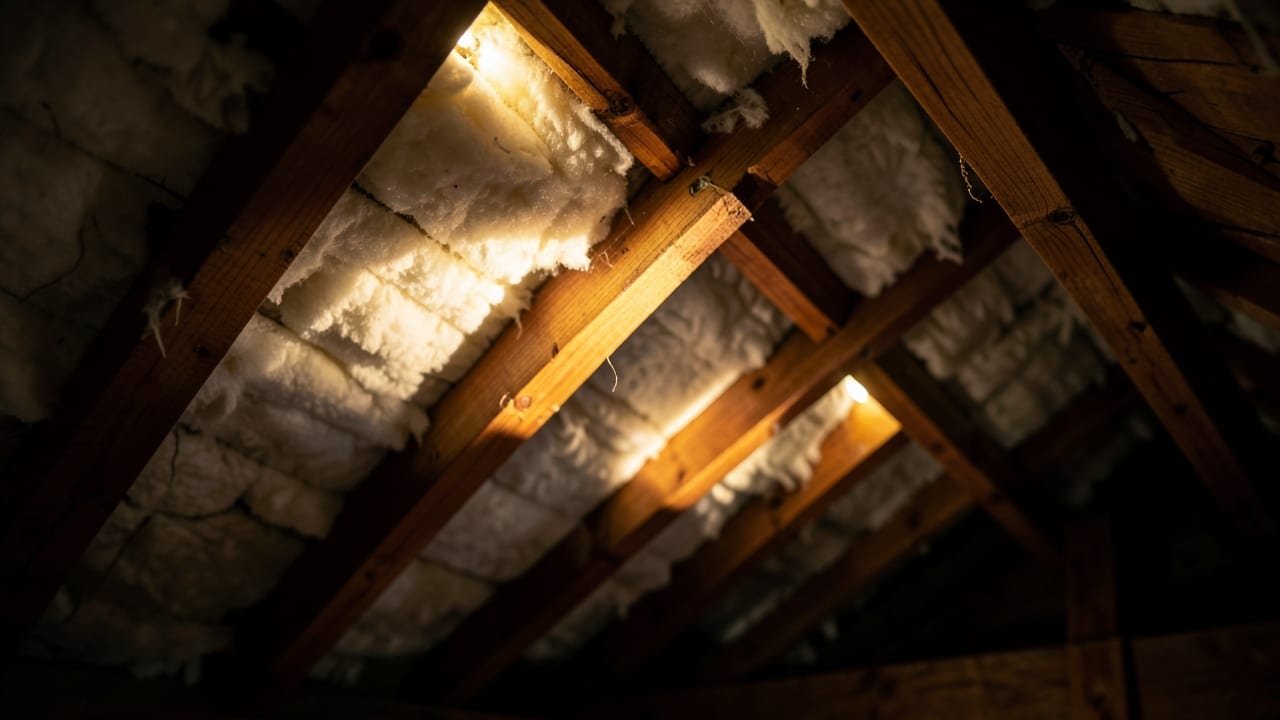
Attic Mold Remediation in Sanbornton, NH
Attic mold remediation in Sanbornton, NH addresses roof-deck growth typically caused by poor ventilation or a hidden roof leak.
Learn MoreCommon Questions About Mold Remediation in Sanbornton
Everything you need to know about mold remediation services in Sanbornton
How much does Storm Damage Mold Cleanup typically cost in Sanbornton, NH?
Why does Sanbornton, NH's humidity make mold a bigger risk than in drier regions?
Is it safe to stay in the home during mold remediation?
Can small mold problems be handled without hiring anyone?
What's the actual difference between mold removal and mold remediation?
Is a final clearance test part of a typical mold remediation job?
Need Mold Remediation in Sanbornton?
Connect with local providers in Sanbornton for a detailed quote.
⏰ We answer your call • Serving all of Sanbornton and surrounding areas