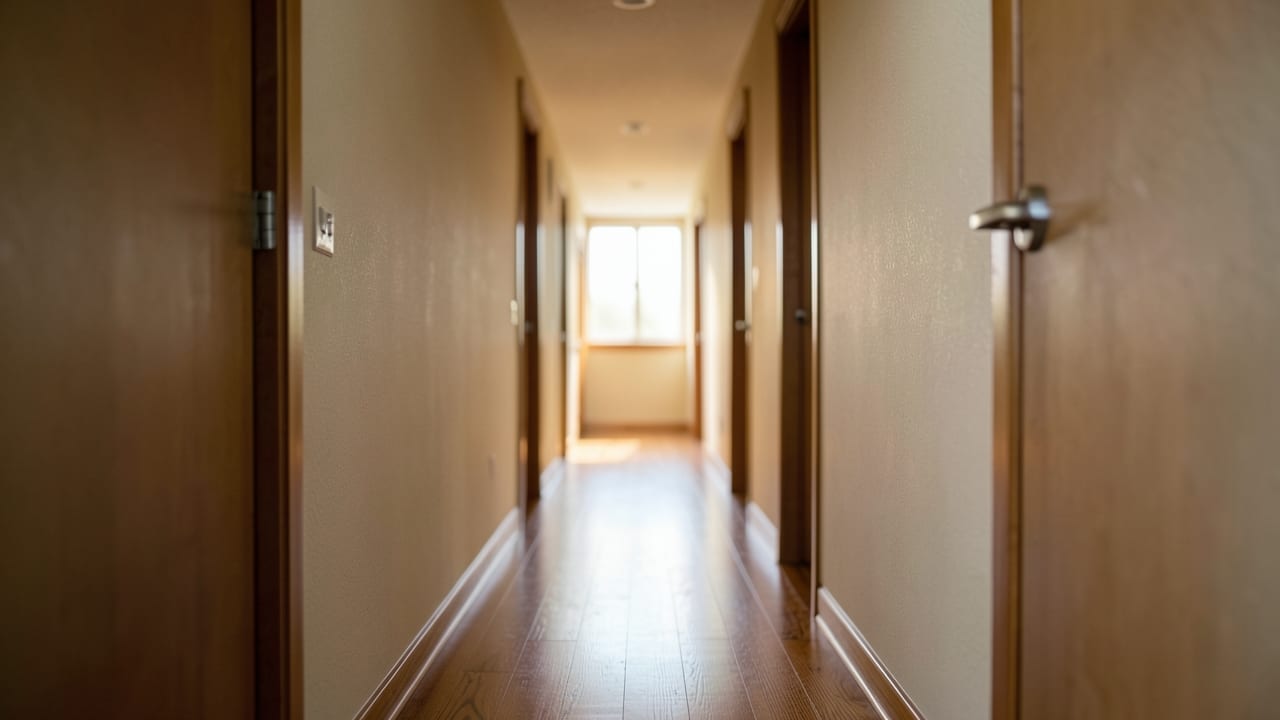
Hallway Mold Remediation
Professional removal and treatment of mold growth in residential hallways.
Hallway mold remediation in Sanbornton, NH targets mold growth in corridors, where moisture and poor airflow create ideal conditions for spores to spread across walls, ceilings, and floors. Proper removal requires containment, HEPA filtration, and addressing the moisture source to prevent regrowth—critical steps that differ from basic cleaning methods.
When hallway mold needs professional removal
Mold in hallways often starts small but spreads quickly when left unchecked. A single patch larger than 25 square feet—about the size of a standard door—typically requires professional remediation, as surface cleaning alone can’t remove spores embedded in porous materials like drywall or carpet padding.
We also handle Post-Remediation Sealing and Mold Inspection for Sanbornton properties.
Recurring mold in the same spot, a persistent musty odor, or visible growth after previous cleaning are clear signs the moisture source hasn’t been fixed. Without addressing leaks, condensation, or poor ventilation, remediation efforts may only delay regrowth rather than resolve it permanently.
Signs Your Hallway Mold Requires Professional Help
- Mold covers more than 25 contiguous square feet (a common threshold for professional work).
- Visible growth returns within weeks after cleaning.
- A musty smell persists even after removing visible mold.
- The hallway has poor airflow or runs damp year-round (e.g., a windowless closet or basement corridor).
- Mold appears in multiple locations, suggesting hidden moisture (e.g., inside walls or under flooring).
What affects cost and timeline for hallway mold work?
The scope of hallway mold remediation varies based on the size of the affected area, the type of materials involved, and whether hidden moisture sources require additional work.
For example, removing mold from drywall and insulation costs more than treating tile or hardwood floors, as porous materials often need full replacement rather than cleaning.
Containment, HEPA air scrubbing, and structural drying add time and cost to the job, but these steps are essential to prevent spores from spreading to other parts of the home. Skipping them can lead to larger, more expensive problems down the line.
Common mistakes that worsen hallway mold problems
Using a standard shop vacuum or non-HEPA air scrubber during cleanup recirculates spores instead of capturing them, turning a contained job into a larger contamination risk. Similarly, tearing into walls or flooring without proper containment lets disturbed spores drift into unaffected areas, requiring extensive follow-up work.
Fixing only the visible mold without addressing the moisture source—such as a leaky pipe, poor grading, or high humidity—leads to regrowth within months. A thorough job includes drying out structural materials and ensuring airflow improvements to prevent future issues.
Avoid bids that exclude containment, clearance testing, or a written scope of work. Verbal estimates without itemized details often hide unexpected costs, and pressure to sign during the inspection visit can skip critical protections like third-party lab testing.
How hallway mold remediation works
Professional remediation follows a structured process to safely remove mold and prevent recurrence.
- 1Containment Setup
Plastic sheeting and negative-air machines seal off the hallway to trap spores during removal. Doors and vents are blocked, and HEPA air scrubbers run continuously to prevent cross-contamination into other areas of the home.
- 2Material Removal or Cleaning
Porous materials like drywall and carpet padding, which absorb mold deeply, are cut out and bagged. Non-porous surfaces like tile or framing are scrubbed with antimicrobial treatments and HEPA-vacuumed to capture loose spores.
- 3Structural Drying
Industrial dehumidifiers and air movers dry out framing and subflooring to safe moisture levels, as mold regrows on damp materials even after visible traces are gone. This step ensures the hallway stays dry long-term.
- 4Clearance Testing
An independent lab tests air or surface samples post-remediation to confirm spore counts are back to normal levels. Without this step, there’s no way to verify whether the job fully resolved the contamination.
- 5Moisture Source Fix
The root cause—such as a leak, condensation, or poor ventilation—is identified and repaired. Skipping this step leaves materials vulnerable to future mold growth, often requiring the same work again within a year.
Frequently asked questions
My hallway mold keeps coming back after cleaning. What’s the most likely cause?
Recurring mold almost always means the moisture source wasn’t fixed. Even if visible growth is removed, damp materials will regrow spores within weeks. Check for leaks, poor grading outside, or high humidity in the area—these are the usual culprits.
Do I need to leave the house during hallway mold remediation?
While you don’t need to evacuate, it’s best to stay out of the contained area until work is complete. Spores can still be airborne during removal, and containment helps keep them from spreading to other parts of the home.
Will the remediation process damage my hallway flooring or walls?
Some materials, like drywall or insulation, may need partial replacement if mold has penetrated deeply. Non-porous surfaces like tile or hardwood can usually be cleaned and restored, but the crew will assess damage during inspection before starting work.
How long does hallway mold remediation typically take?
The timeline depends on the size of the affected area and whether hidden moisture sources require additional work. A single hallway with surface mold may take 1–3 days, while larger or complex jobs—such as those involving structural drying—can extend to a week or more.
See Suissevale, NH for more, or explore the rest of our Sanbornton lineup by category for our complete lineup.
Ready to get started?
Talk to a local mold remediation pro in Sanbornton — get a written quote.
Other Mold Remediation Services in Sanbornton
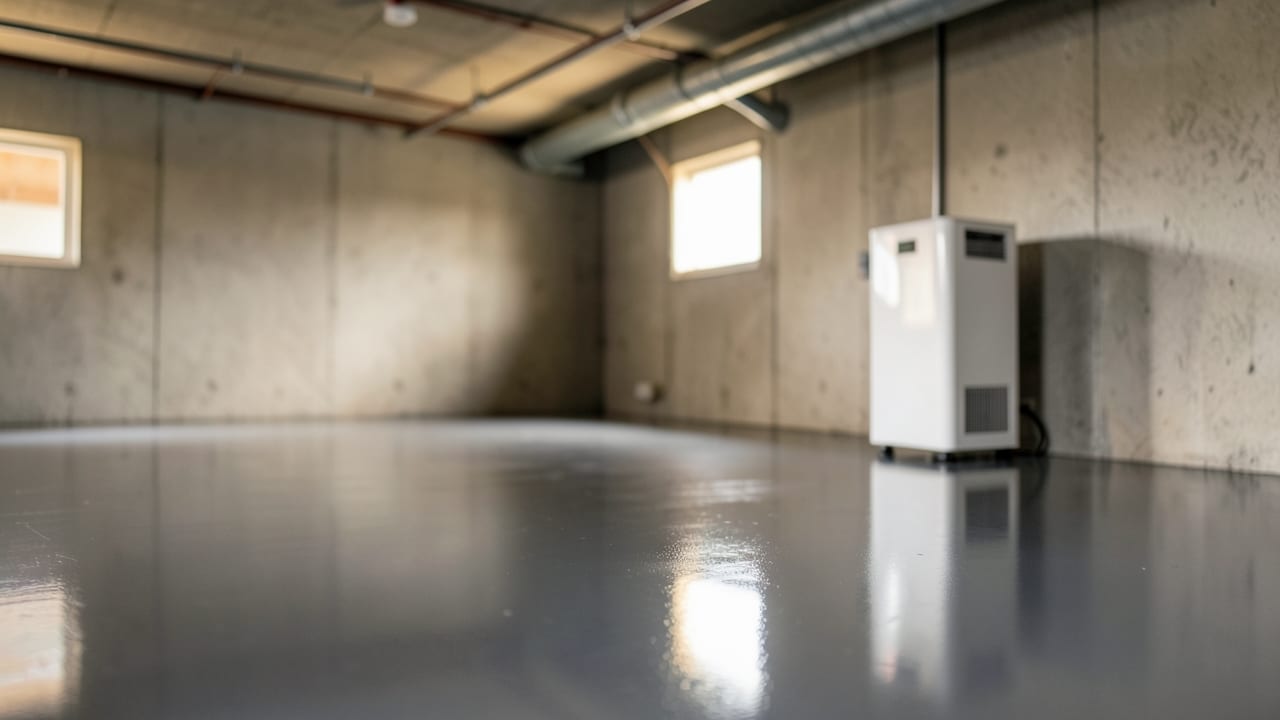
Post-Remediation Sealing in Sanbornton, NH
Applying protective sealants to surfaces after mold remediation to prevent future growth.
Learn More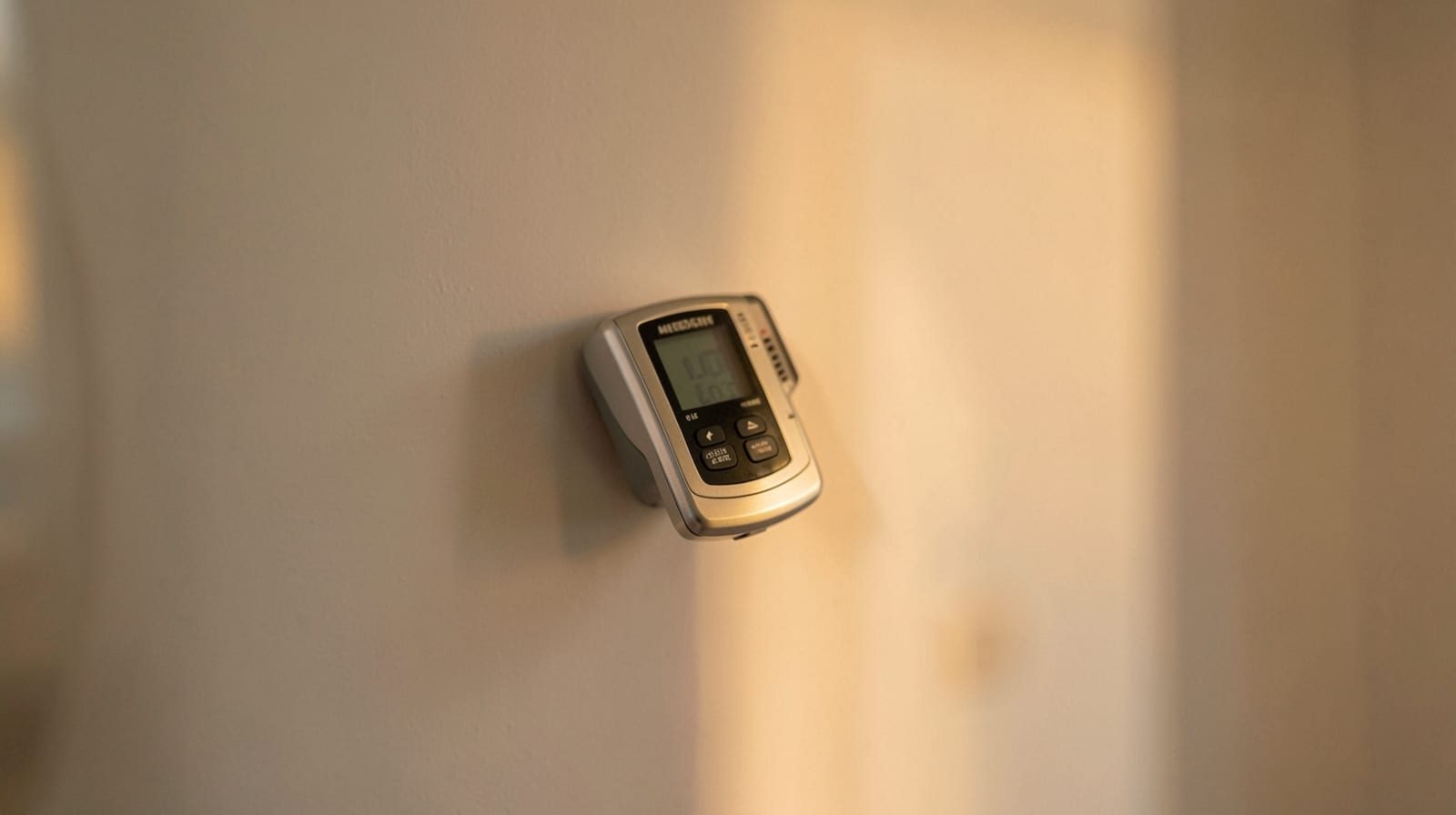
Mold Inspection in Sanbornton, NH
Mold inspection in Sanbornton, NH — a visual and moisture-meter assessment that finds the source of growth, not just the visible spot on the wall.
Learn More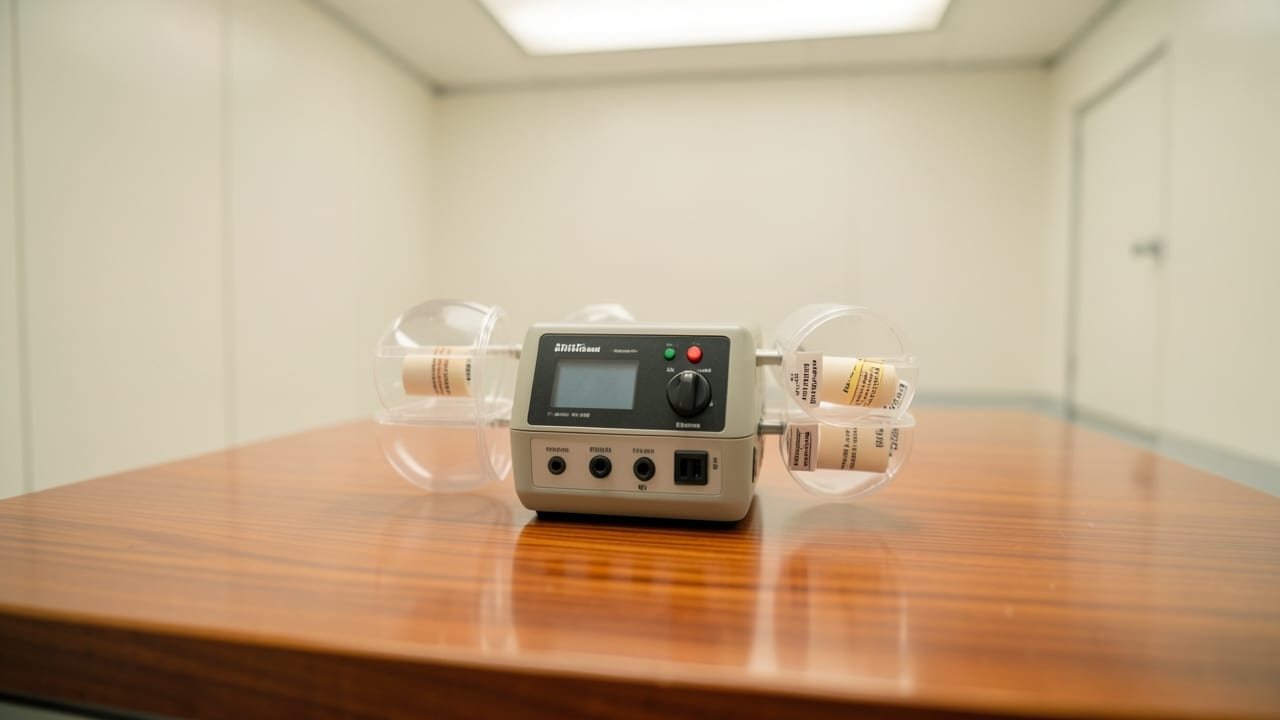
Mold Testing & Air Quality Testing in Sanbornton, NH
Mold and indoor air quality testing in Sanbornton, NH — lab-analyzed air and surface samples confirm what's actually growing and whether it's airborne.
Learn More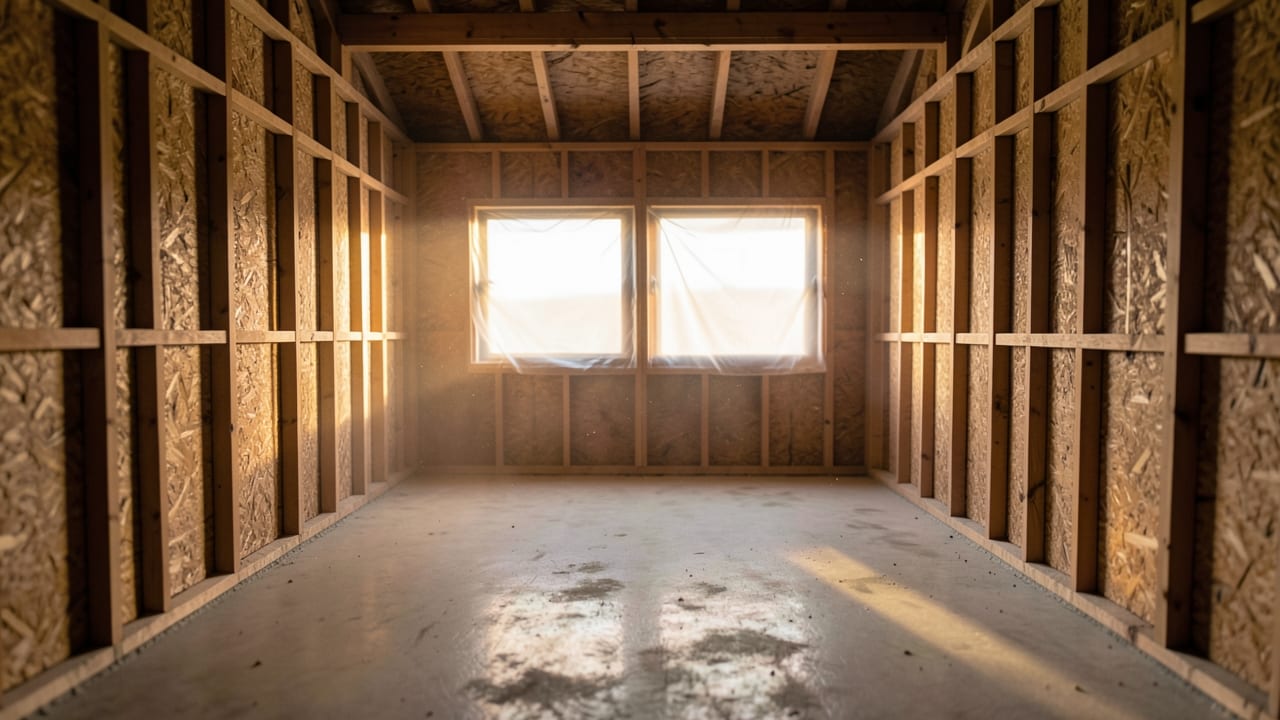
Mold Removal & Remediation in Sanbornton, NH
Mold removal and remediation in Sanbornton, NH — containment, HEPA filtration, and removal of affected material following industry (IICRC S520) protocol.
Learn More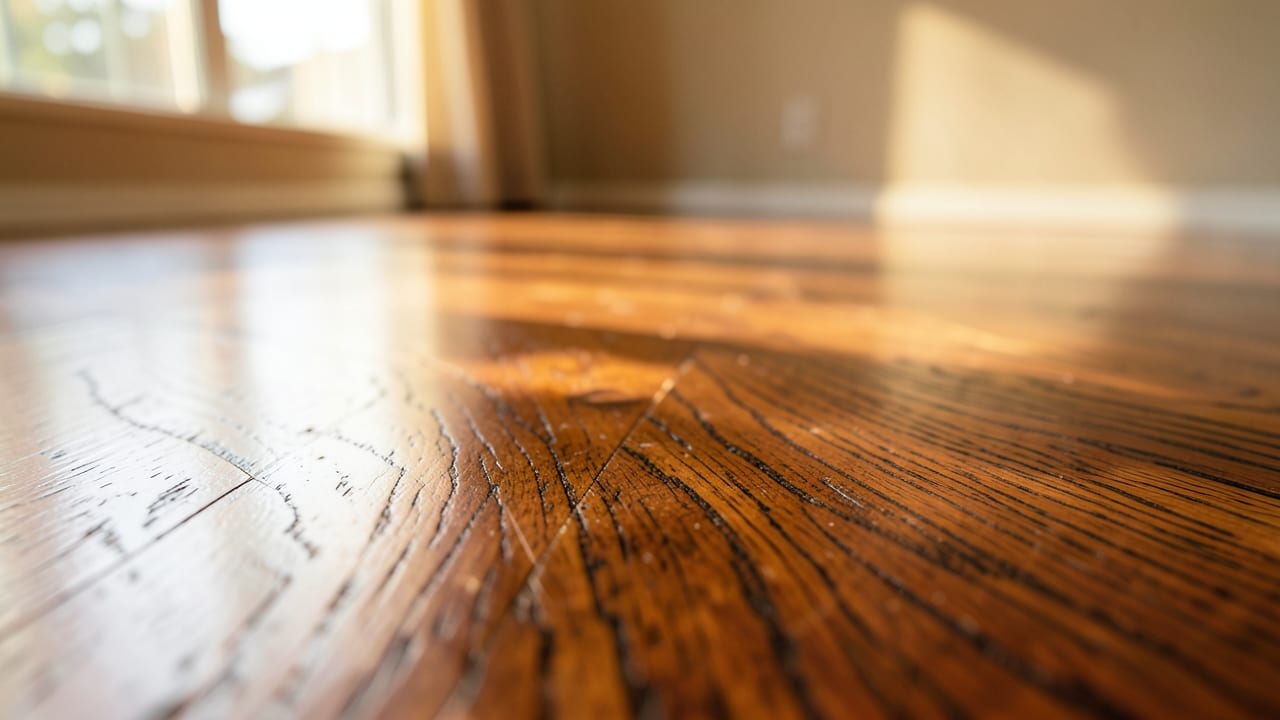
Water Damage Restoration in Sanbornton, NH
Water damage restoration in Sanbornton, NH — extraction and structural drying to stop mold growth before it starts, following a leak, storm, or flood.
Learn More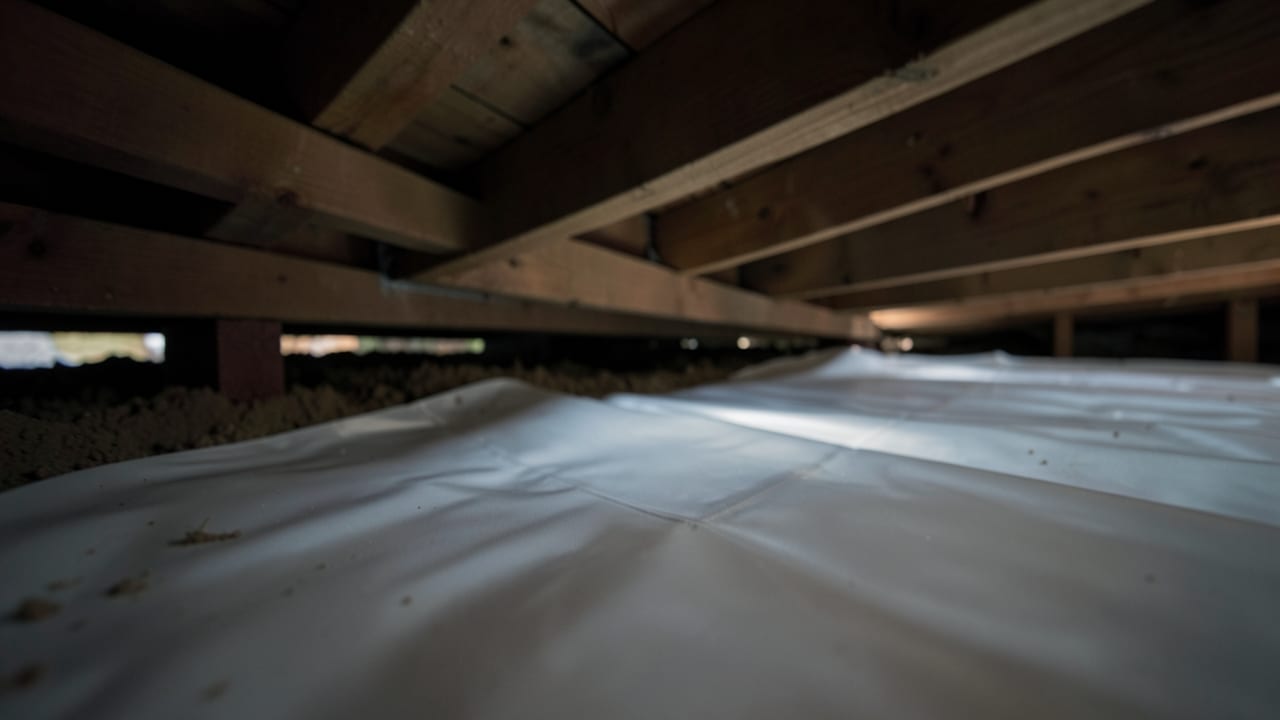
Crawl Space & Basement Mold Remediation in Sanbornton, NH
Crawl space and basement mold remediation in Sanbornton, NH addresses the two areas of a property most prone to trapped, unnoticed moisture.
Learn MoreCommon Questions About Mold Remediation in Sanbornton
Everything you need to know about mold remediation services in Sanbornton
How much does Hallway Mold Remediation typically cost in Sanbornton, NH?
Why does Sanbornton, NH's humidity make mold a bigger risk than in drier regions?
What's the actual difference between mold removal and mold remediation?
Is a final clearance test part of a typical mold remediation job?
How does mold remediation actually prevent the problem from coming back?
Can mold growing inside HVAC ductwork spread to the rest of a home?
Need Mold Remediation in Sanbornton?
Connect with local providers in Sanbornton for a detailed quote.
⏰ We answer your call • Serving all of Sanbornton and surrounding areas