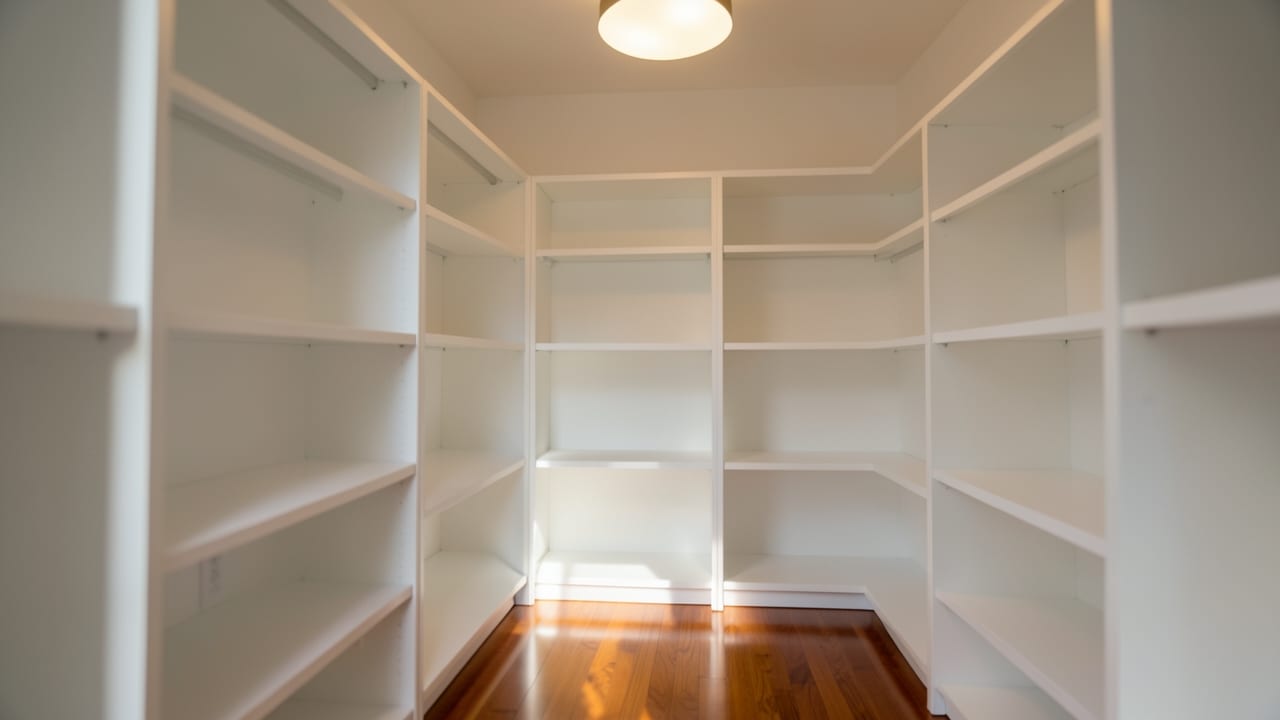
Closet Mold Cleanup
Professional cleanup and removal of mold from closets to restore safe, healthy spaces.
Closet mold cleanup in Sanbornton, NH, addresses hidden growth behind stored items, walls, and shelving. Without containment and proper removal, spores spread through your home’s air and HVAC system. This process includes sealing the work area, removing contaminated materials, and drying the structure to prevent regrowth.
Thorough cleanup requires specialized equipment and techniques to ensure the job is done safely and effectively.
We also handle Pantry Mold Treatment and Hallway Mold Remediation for Sanbornton properties.
When to call for closet mold cleanup
Mold in closets often starts small but can quickly become a larger problem if ignored. Look for visible growth on walls, shelves, or stored fabrics, but also watch for signs that aren’t immediately visible.
A musty smell with no clear source, mold reappearing after cleaning, or growth covering more than a small patch are all signals that professional help is needed.
Closets with poor airflow or persistent dampness are especially vulnerable. If mold keeps returning in the same spot, the moisture source—like a leak, condensation, or poor ventilation—hasn’t been addressed. Without fixing the root cause, cleanup efforts will only be temporary.
Signs You Need Professional Closet Mold Cleanup
- Mold growth covering more than a small, isolated patch (typically over 25 square feet).
- A musty smell with no visible mold in the room, especially when the HVAC system runs.
- Mold reappearing in the same spot after cleaning, indicating an unresolved moisture issue.
- Visible black or dark green mold, which may require specialized handling.
- Dampness or water stains on walls, ceilings, or floors near the closet.
What affects pricing and timing
The cost of closet mold cleanup depends on the size of the affected area, the type of materials involved, and whether the mold is confirmed as black mold. Pricing also varies based on whether containment, removal, drying, and clearance testing are included in the scope of work.
A single room with surface-level mold typically falls within a specific range, but hidden growth or structural damage can increase both time and cost.
Timing is influenced by how quickly the moisture source can be identified and fixed, as well as the drying process required to prevent regrowth. Industrial dehumidifiers and air movers may need to run for several days to ensure the space is fully dry before containment can be removed.
What to ask before hiring a mold remediation service
Not all quotes for mold cleanup are equal. Some may exclude critical steps like containment or clearance testing, while others bundle them into the total cost. Asking the right questions upfront helps you compare bids accurately and avoid unexpected expenses later.
Clear communication about the scope of work and post-remediation testing ensures the job is done thoroughly.
Avoid services that pressure you to sign a contract during the inspection or demand full payment before work begins. A legitimate scope of work should be provided in writing, with details on what’s included and how hidden mold will be handled if discovered.
| Question to Ask | Why It Matters |
|---|---|
| Does the estimate include inspection, containment, removal, drying, and clearance testing? | Excludes critical steps if not included. |
| Is the scope of work provided in writing before any work starts? | Protects against price increases once demolition begins. |
| Does the quote specify the square footage or area being treated? | Allows for accurate comparison between bids. |
| Will a third-party lab test confirm clearance after remediation? | Ensures independent verification the job worked. |
| How will hidden mold be handled if discovered during the job? | Prevents unexpected change-order disputes. |
How closet mold cleanup works
This process follows strict protocols to contain spores, remove contaminated materials, and prevent regrowth.
- 1Containment Setup
Plastic sheeting and negative-air machines seal the closet and surrounding area to prevent spores from spreading. This step ensures airborne particles stay contained while work is underway.
- 2Removal of Contaminated Materials
Porous materials like drywall, insulation, or carpet padding that absorb mold are cut out and bagged inside containment. Non-porous surfaces like tile or framing are scrubbed and treated instead of discarded.
- 3HEPA Filtration and Cleanup
HEPA-filtered air scrubbers and vacuums run continuously to capture spores during removal. Standard filters are insufficient, as they recirculate spores back into the air.
- 4Structural Drying
Industrial dehumidifiers and air movers dry framing and subfloors to normal moisture levels. Mold regrows on damp materials even after visible traces are removed.
- 5Clearance Testing
An independent lab tests air or surfaces post-remediation to confirm spore counts are back to normal levels before containment is removed.
Frequently asked questions
Can I clean mold in my closet myself?
Small, isolated patches of mold can sometimes be cleaned with household solutions, but growth covering more than 25 square feet or recurring mold signals a deeper issue. Professional cleanup ensures containment and prevents spores from spreading through your home’s air system.
How long does the drying process take after mold removal?
Drying time varies depending on the size of the area and moisture levels, but industrial dehumidifiers and air movers typically run for several days to ensure the space is fully dry before containment is removed.
Will my closet smell musty again if the mold comes back?
Yes, mold regrowth often brings back a musty odor. The best way to prevent recurrence is to fix the moisture source—like leaks, condensation, or poor ventilation—and monitor humidity levels in the closet for the first year.
Do I need to replace all my stored items after mold cleanup?
Not necessarily. Non-porous items like metal or glass can often be cleaned and disinfected. Fabrics, cardboard, and paper goods may need to be discarded if heavily contaminated, as mold penetrates these materials.
See Canaan, NH for more, or discover what's included in our Sanbornton service at a glance for our complete lineup.
Ready to get started?
Talk to a local mold remediation pro in Sanbornton — get a written quote.
Other Mold Remediation Services in Sanbornton

Pantry Mold Treatment in Sanbornton, NH
Professional assessment and removal of mold in pantry areas to restore a safe, clean space.
Learn More
Hallway Mold Remediation in Sanbornton, NH
Professional removal and treatment of mold growth in residential hallways.
Learn More
Restaurant Mold Remediation in Sanbornton, NH
Professional mold removal and remediation for restaurant spaces to ensure safety and compliance.
Learn More
Retail Store Mold Remediation in Sanbornton, NH
Professional mold removal and remediation for retail stores to restore safe, clean environments.
Learn More
Hotel Mold Remediation in Sanbornton, NH
Professional removal and treatment of mold growth in hotel properties to restore safe, clean environments.
Learn More
Gym Mold Remediation in Sanbornton, NH
Professional removal and treatment of mold in gyms to restore safe, clean environments.
Learn MoreCommon Questions About Mold Remediation in Sanbornton
Everything you need to know about mold remediation services in Sanbornton
How much does Closet Mold Cleanup typically cost in Sanbornton, NH?
Why does Sanbornton, NH's humidity make mold a bigger risk than in drier regions?
Does homeowners insurance typically cover mold remediation?
Is black mold actually more dangerous than other mold types?
How long does a typical mold remediation job take?
Is it safe to stay in the home during mold remediation?
Need Mold Remediation in Sanbornton?
Connect with local providers in Sanbornton for a detailed quote.
⏰ We answer your call • Serving all of Sanbornton and surrounding areas