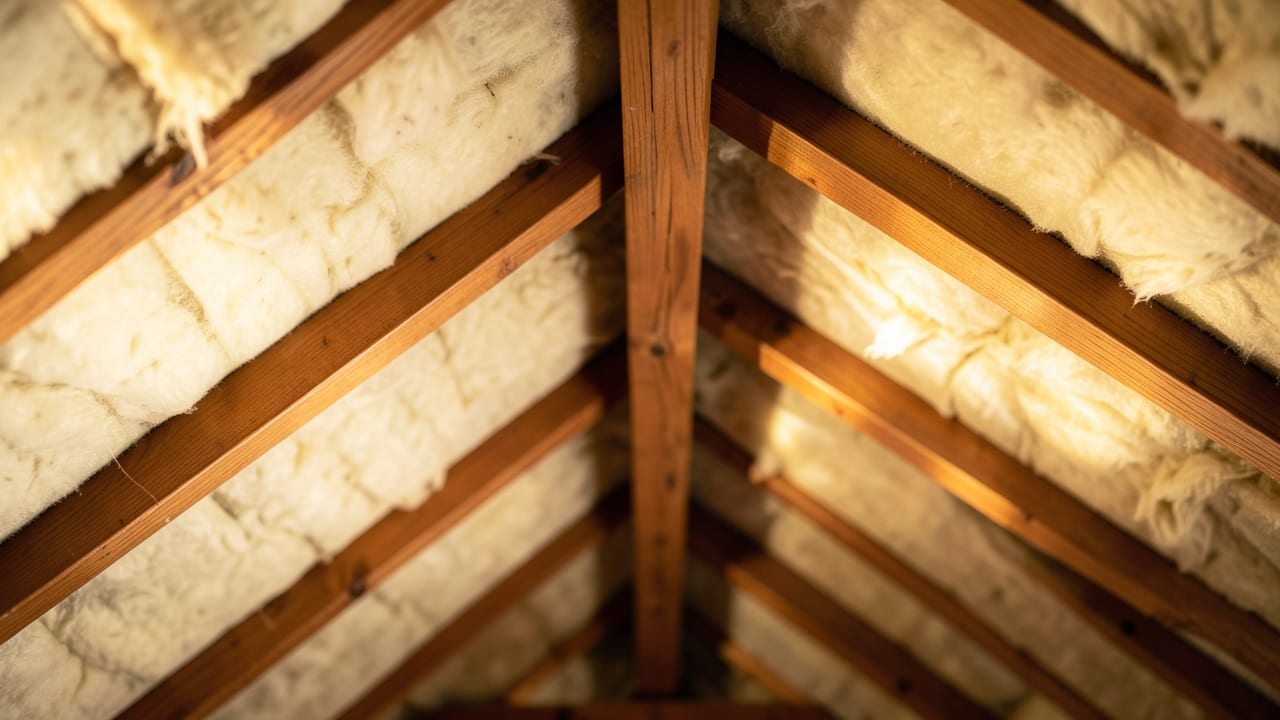
Roof Leak Mold Remediation
Professional removal of mold caused by roof leaks to restore a safe, healthy home environment.
When a roof leak in Sanbornton, NH, goes untreated, hidden mold growth can spread quickly through framing, insulation, and drywall. Roof leak mold remediation stops the spread by sealing off affected areas, removing contaminated materials, and fixing moisture sources to prevent recurrence.
This process restores indoor air quality and protects your home’s structure from further damage.
We also handle Gym Mold Remediation and Fire Smoke Mold Remediation for Sanbornton properties.
When roof leak mold remediation is needed
Mold from a roof leak often starts small but can spread rapidly if moisture isn’t addressed. Signs it’s time for professional remediation include mold covering more than a few square feet, recurring growth after cleaning, or a persistent musty smell—especially when the HVAC runs.
Hidden mold behind walls or under flooring also requires professional intervention to locate and treat.
DIY cleaning may remove surface mold, but it rarely fixes the underlying moisture problem. Without proper containment, removal, and drying, spores can spread to unaffected areas, turning a small job into a larger one. Professional remediation ensures the moisture source is addressed while preventing cross-contamination.
Signs You Need Roof Leak Mold Remediation
- Mold covers more than a small, isolated patch (typically over 25 sq ft).
- The same mold keeps returning after cleaning—indicating an unresolved moisture source.
- A musty smell lingers even after visible mold is gone, suggesting hidden growth.
- The HVAC system spreads the odor, pointing to mold in ductwork or walls.
- You notice water stains, sagging ceilings, or warped framing from the leak.
What affects cost and timeline
The size of the affected area, type of mold, and accessibility of the leak all influence pricing and duration. Black mold or extensive structural damage typically requires more time and materials. Containment, removal, and drying must be done carefully to avoid spreading spores, which adds to the process.
Hidden mold behind walls or in attics may require additional demolition and reconstruction. Clearance testing after remediation ensures the job is complete, but it adds time and cost. Fixing the roof leak itself is critical—without it, mold can return within months.
Common mistakes to avoid
Skipping containment lets spores drift into unaffected areas, turning a small job into a larger one. Using non-HEPA vacuums or air scrubbers recirculates spores instead of capturing them. Without fixing the roof leak, mold will regrow once moisture returns.
Assuming a musty smell means no hidden mold—growth often hides behind walls, under flooring, or in ductwork. Skipping clearance testing leaves no confirmation the job is truly finished. Always verify the contractor follows proper containment, removal, and drying protocols.
Avoid estimates that exclude inspection, containment, or clearance testing. Vague area measurements or pressure to sign immediately can lead to hidden costs or incomplete work. Always request a written scope of work before hiring.
How roof leak mold remediation works
This process isolates mold, removes contaminated materials, and restores the space to a safe condition.
- 1Containment
Plastic sheeting and negative-air machines seal off the work area to prevent spores from spreading. This step keeps unaffected rooms free of contamination while removal begins.
- 2Removal of Contaminated Materials
Porous materials like drywall and insulation are cut out and bagged, while non-porous surfaces like framing are scrubbed and treated. HEPA vacuums and air scrubbers capture spores during removal.
- 3Structural Drying
Industrial dehumidifiers and air movers dry framing and subfloors to normal moisture levels. Mold regrows on damp surfaces, so thorough drying is essential before closing up the space.
- 4Clearance Testing
An independent lab tests air or surfaces for remaining spores. Results confirm the space is safe before containment is removed and the area is considered finished.
- 5Fixing the Moisture Source
Repairing the roof leak, improving airflow, or adjusting grading prevents future mold. Without this step, regrowth is likely within months.
Frequently asked questions
Can I clean small mold patches myself?
Small, isolated patches (under 25 sq ft) can sometimes be cleaned with detergent, water, and a HEPA vacuum. However, roof leak mold often hides behind walls or in attics, so professional inspection is recommended to ensure the moisture source is fixed.
How long does the remediation process take?
Timing varies by job size and complexity, but containment, removal, and drying typically take 2–5 days. Clearance testing adds another 1–3 days. Fixing the roof leak may require additional time depending on the damage.
Will my insurance cover this?
Many homeowners’ policies cover mold damage if it stems from a covered event like a roof leak. Check your policy details and document the leak before contacting your insurer, as sudden claims may raise red flags.
How do I prevent mold from coming back?
Fix the roof leak immediately, use dehumidifiers in damp areas, and ensure proper ventilation. Monitor humidity levels in previously affected rooms for the first year to catch early recurrence.
See Belmont, NH for more, or take a look at how our Sanbornton crew can help side by side for our complete lineup.
Ready to get started?
Talk to a local mold remediation pro in Sanbornton — get a written quote.
Other Mold Remediation Services in Sanbornton

Gym Mold Remediation in Sanbornton, NH
Professional removal and treatment of mold in gyms to restore safe, clean environments.
Learn More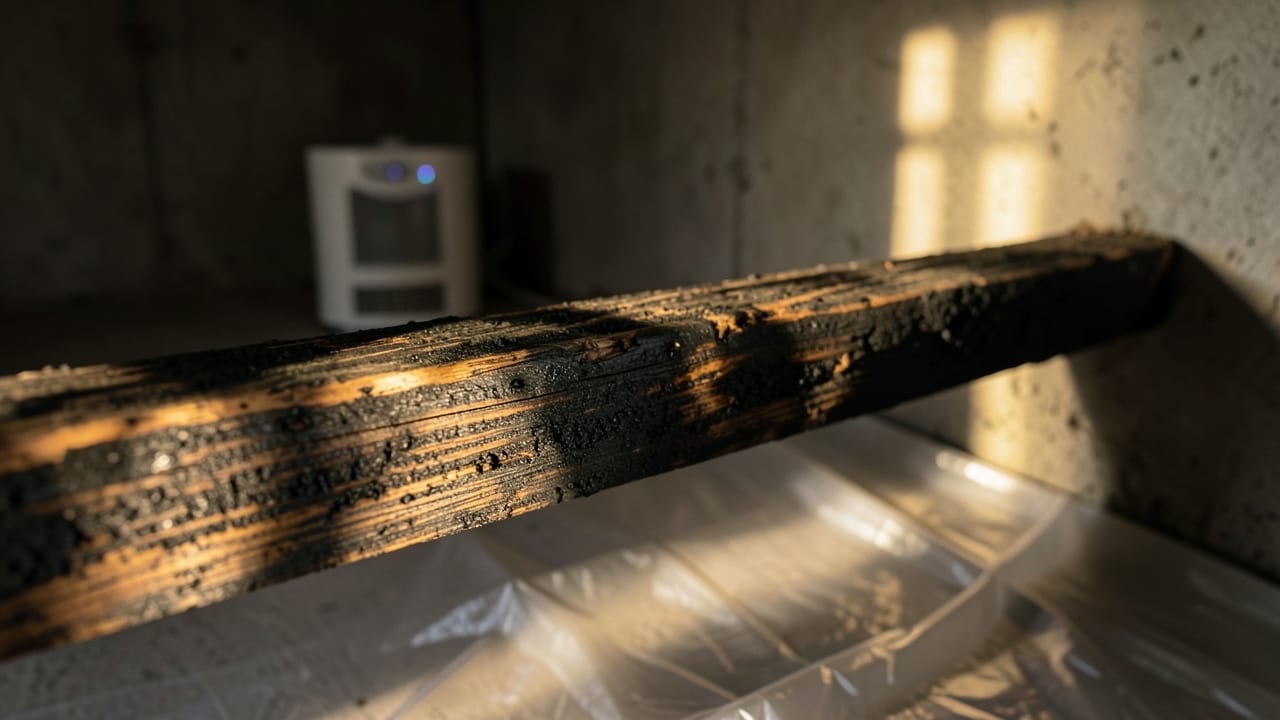
Fire Smoke Mold Remediation in Sanbornton, NH
Professional cleanup and restoration of fire, smoke, and mold damage in homes.
Learn More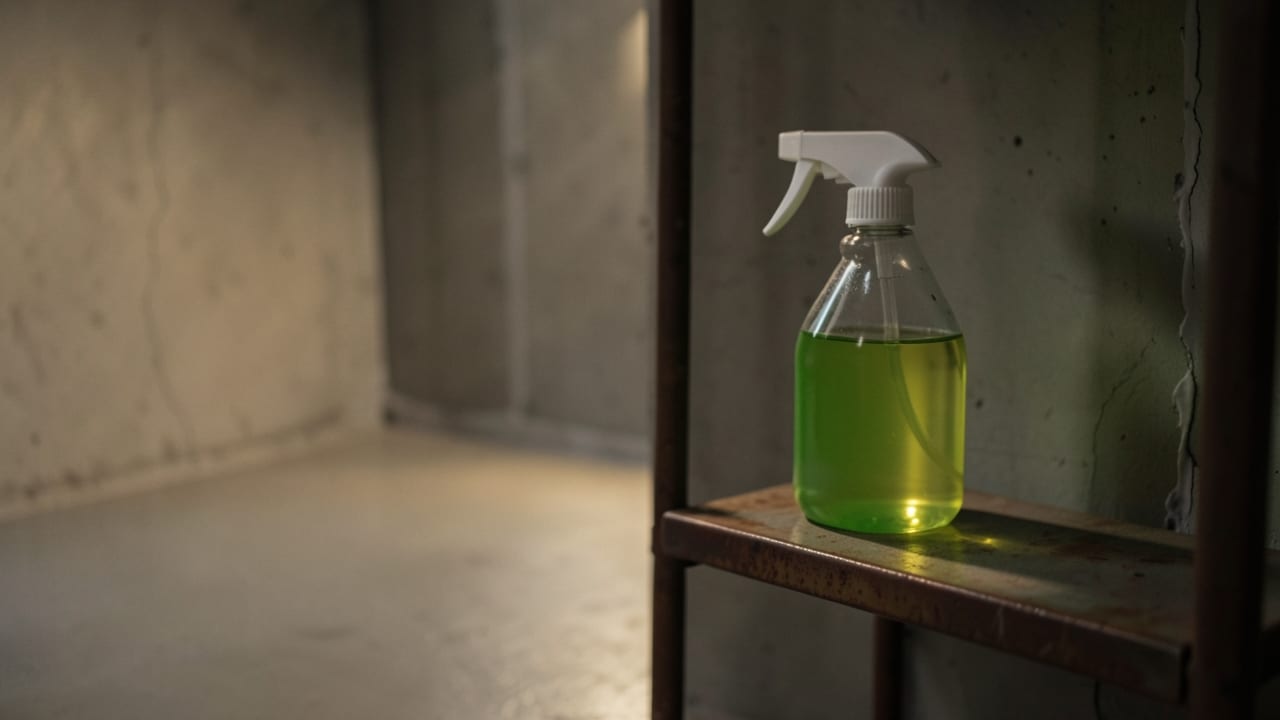
Pest Infestation Mold Remediation in Sanbornton, NH
Professional mold removal and remediation for pest-related infestations in homes.
Learn More
Storm Damage Mold Cleanup in Sanbornton, NH
Professional cleanup and remediation of mold caused by storm-related water damage in homes.
Learn More
Move-In Mold Assessment in Sanbornton, NH
Professional inspection and assessment of mold presence before moving into a property.
Learn More
Pre-Sale Mold Clearance in Sanbornton, NH
Pre-sale mold clearance involves inspection and testing to confirm a property is mold-free before purchase.
Learn MoreCommon Questions About Mold Remediation in Sanbornton
Everything you need to know about mold remediation services in Sanbornton
How much does Roof Leak Mold Remediation typically cost in Sanbornton, NH?
Why does Sanbornton, NH's humidity make mold a bigger risk than in drier regions?
Is it safe to stay in the home during mold remediation?
Can small mold problems be handled without hiring anyone?
What's the actual difference between mold removal and mold remediation?
Is a final clearance test part of a typical mold remediation job?
Need Mold Remediation in Sanbornton?
Connect with local providers in Sanbornton for a detailed quote.
⏰ We answer your call • Serving all of Sanbornton and surrounding areas