
Brick Masonry Mold Treatment
Professional mold treatment and removal from brick masonry to restore structural integrity and indoor air quality.
In Sanbornton, NH, brick masonry mold treatment addresses unsightly and potentially damaging mold growth on brick surfaces, both inside and outside your home.
Moisture exposure, poor ventilation, or leaks often lead to mold that weakens brickwork and spreads spores, requiring professional removal and prevention to restore your property’s integrity and safety.
We also handle Fire Smoke Mold Remediation and Pest Infestation Mold Remediation for Sanbornton properties.
When mold treatment becomes necessary
Mold on brick masonry often starts as a small, isolated patch but can quickly escalate if moisture sources persist. In Sanbornton’s humid climate, signs like recurring mold growth after cleaning, musty odors, or mold covering more than a small area indicate the need for professional intervention.
Ignoring these signs risks structural damage and health concerns.
Hidden mold—behind brick veneer, inside walls, or within ductwork—often reveals itself through persistent smells or visible growth after HVAC use. Addressing these issues early prevents costly repairs and ensures long-term effectiveness.
Signs You Need Brick Masonry Mold Treatment
- Mold covering more than a small, isolated patch (typically over 25 contiguous square feet).
- Recurring mold growth in the same spot after cleaning attempts.
- A musty smell with no visible mold, especially when HVAC runs or in windowless areas.
- Visible mold on brickwork despite attempts to clean or dry the surface.
What affects cost and timeline
The scope of mold treatment depends on factors like the size of the affected area, the severity of contamination, and whether hidden mold is discovered during removal. Brick masonry often requires extra care due to its porous nature, which can complicate drying and treatment processes.
Post-remediation steps, such as fixing moisture sources and clearance testing, also influence timing and cost. These steps are critical to preventing regrowth but may not be included in every estimate.
Key questions to ask before hiring
Not all mold treatment services follow the same standards. Asking the right questions ensures you choose a provider who prioritizes containment, proper removal, and moisture source resolution—critical steps to avoid regrowth.
Clarify whether the estimate includes inspection, testing, remediation, and clearance testing, or if these are priced separately. A full-service approach typically yields better long-term results.
Avoid quotes that lack a written scope of work, request full payment upfront, or skip mention of clearance testing. These practices can lead to incomplete remediation and higher costs later.
How brick masonry mold treatment works
Professional treatment follows strict containment and removal protocols to prevent spore spread.
- 1Containment Setup
Plastic sheeting and negative-air machines seal the work area, trapping disturbed spores inside the containment zone and preventing them from spreading to unaffected parts of your home.
- 2Mold Removal
Porous materials like drywall or insulation are cut out and bagged, while non-porous surfaces are scrubbed and treated. Brick masonry may require specialized cleaning to penetrate deep into pores.
- 3HEPA Filtration and Drying
HEPA air scrubbers run continuously during removal, and surfaces are vacuumed with HEPA-filtered equipment. Industrial dehumidifiers and air movers dry framing and subfloors to normal moisture levels.
- 4Clearance Testing
An independent lab tests air or surfaces post-remediation to confirm spore counts are back to normal levels before containment is removed.
Frequently asked questions
Can I clean mold off brick myself, or should I hire a professional?
Small, isolated patches of mold on brick can sometimes be cleaned with a mixture of water and detergent, but porous materials like brick absorb mold deeply. If the mold keeps returning or covers a large area, professional treatment is recommended to ensure proper removal and moisture source resolution.
How long does the mold treatment process take?
The timeline varies based on the size of the affected area and whether hidden mold is discovered. Containment, removal, drying, and clearance testing can take anywhere from a few days to over a week, depending on the complexity of the job.
Will mold come back if I only treat the visible growth?
Treating only the visible mold without fixing the moisture source—such as leaks, condensation, or poor ventilation—often leads to regrowth. Professional remediation includes addressing the root cause to help prevent future issues.
Do I need to leave my home during the treatment process?
You may need to vacate the affected area during containment and removal, but the process is designed to minimize disruption. A professional can provide specific guidance based on your home’s layout and the scope of work.
See Alton Bay, NH for more, or discover the full mold remediation lineup we run in Sanbornton on a single page for our complete lineup.
Ready to get started?
Talk to a local mold remediation pro in Sanbornton — get a written quote.
Other Mold Remediation Services in Sanbornton
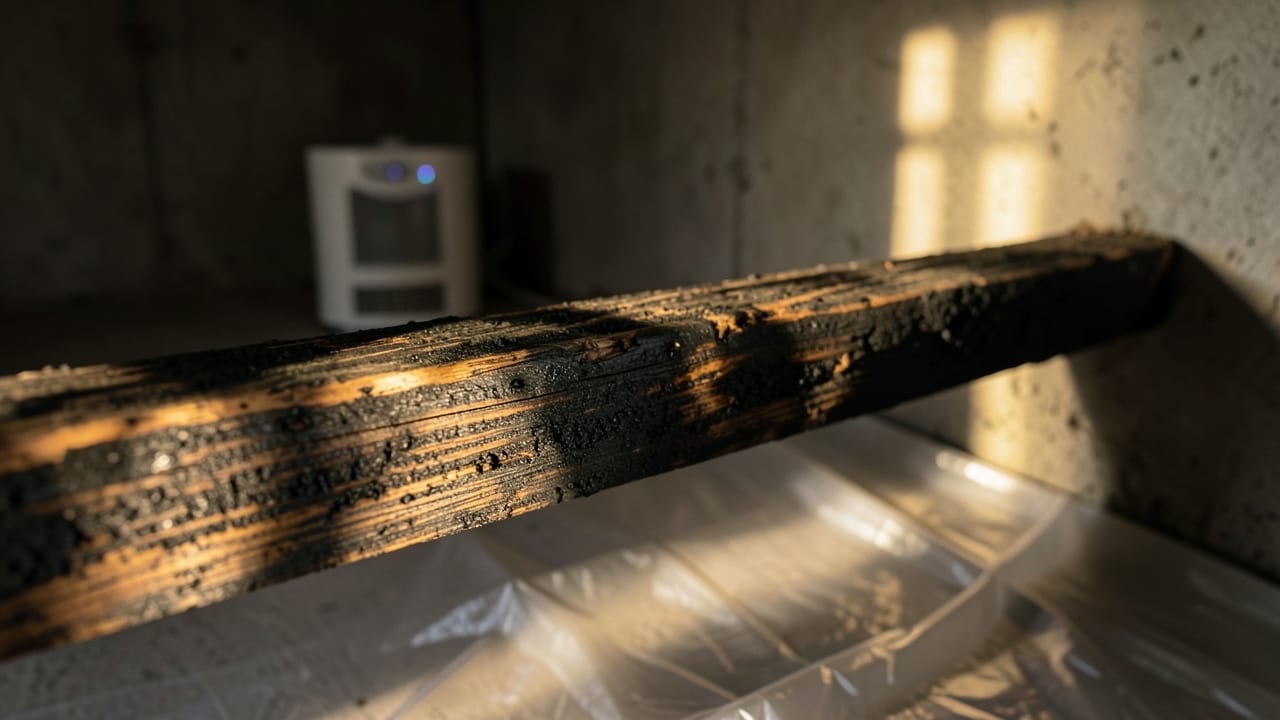
Fire Smoke Mold Remediation in Sanbornton, NH
Professional cleanup and restoration of fire, smoke, and mold damage in homes.
Learn More
Pest Infestation Mold Remediation in Sanbornton, NH
Professional mold removal and remediation for pest-related infestations in homes.
Learn More
Storm Damage Mold Cleanup in Sanbornton, NH
Professional cleanup and remediation of mold caused by storm-related water damage in homes.
Learn More
Move-In Mold Assessment in Sanbornton, NH
Professional inspection and assessment of mold presence before moving into a property.
Learn More
Pre-Sale Mold Clearance in Sanbornton, NH
Pre-sale mold clearance involves inspection and testing to confirm a property is mold-free before purchase.
Learn More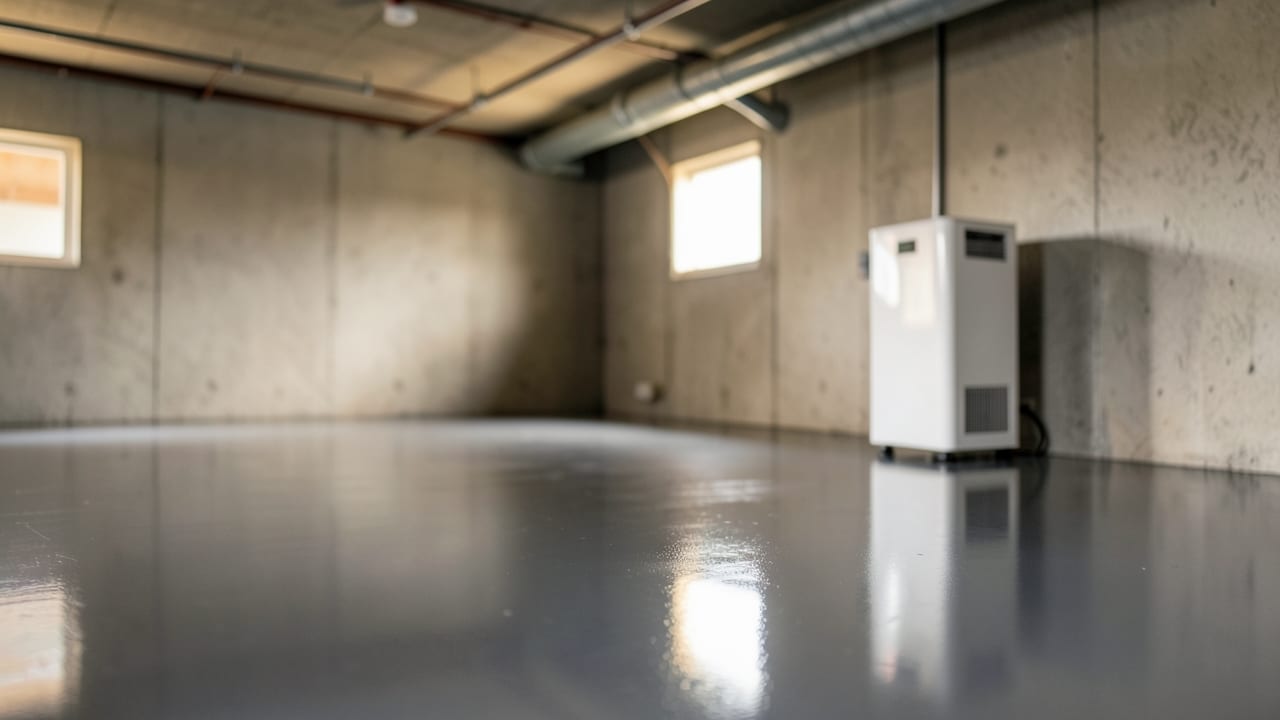
Post-Remediation Sealing in Sanbornton, NH
Applying protective sealants to surfaces after mold remediation to prevent future growth.
Learn MoreCommon Questions About Mold Remediation in Sanbornton
Everything you need to know about mold remediation services in Sanbornton
How much does Brick Masonry Mold Treatment typically cost in Sanbornton, NH?
Why does Sanbornton, NH's humidity make mold a bigger risk than in drier regions?
Is it safe to stay in the home during mold remediation?
Can small mold problems be handled without hiring anyone?
What's the actual difference between mold removal and mold remediation?
Is a final clearance test part of a typical mold remediation job?
Need Mold Remediation in Sanbornton?
Connect with local providers in Sanbornton for a detailed quote.
⏰ We answer your call • Serving all of Sanbornton and surrounding areas